Tree trimming is an essential practice for maintaining the health, safety, and appearance of your trees. By carefully removing overgrown or dead branches, you can promote stronger growth, prevent potential hazards, and enhance the overall aesthetic of your landscape. Proper trimming not only improves the vitality of your trees but also helps protect your property and ensures a well-maintained outdoor environment.

Remove dead, diseased or weak branches to improve tree health and appearance.
Reduce excess growth to increase light penetration and improve airflow.
Raise lower branches to provide more clearance for people, vehicles and buildings.
Correct structural defects to promote strong growth and long-term stability.
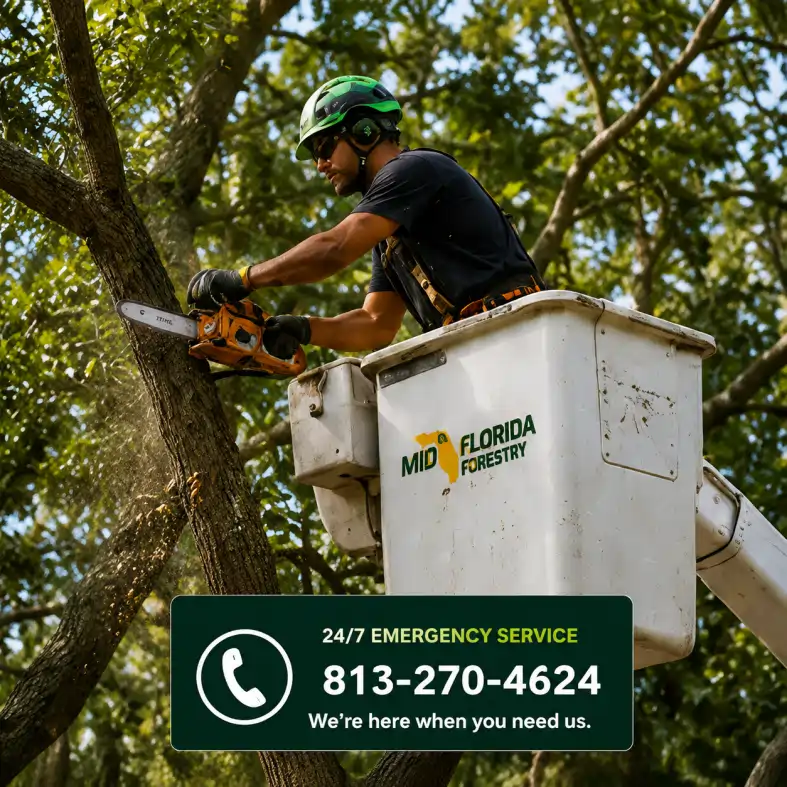
Certified expertise and science-based pruning for healthy trees.
Trained professionals following strict safety standards.
Modern equipment helps us work efficiently and safely.

We leave your property clean, safe and better than we found it.
Welcome to our FAQ section! Here you'll find answers to the most common questions about our tree trimming services, helping you get the information you need quickly and easily.
Regular trimming improves tree health, reduces safety hazards, enhances appearance, and prevents branches from damaging homes, vehicles, or power lines.
Most trees benefit from trimming every 1–3 years, depending on species, age, and environmental conditions.
Tree trimming focuses on shaping and controlling growth, while pruning targets the removal of dead, diseased, or hazardous branches to improve overall health.
Dead or broken branches, overgrown limbs touching structures, uneven canopy growth, or branches obstructing walkways or driveways.
Tree trimming can be dangerous without proper training and equipment. Hiring certified professionals ensures safety and prevents property damage.
All debris is removed, chipped, or hauled away. We leave your property clean, safe, and better than we found it.
Absolutely. Removing weak or infected branches reduces entry points for insects, fungi, and other harmful pathogens.
Yes, but only following strict safety protocols. In some cases, coordination with the utility company is required.

Remove dead, diseased, or crossing branches to promote healthy growth.
Reduce excess growth to improve light, airflow, and overall tree structure.
Raise lower branches to increase clearance for vehicles and buildings.
Reduce overall size to minimize risk and protect structures and lines.
Safely remove dead or dying branches before they become hazards.
Remove weak or damaged limbs that pose a risk to people or property.
Clean up and prune trees damaged by storms to restore health and safety.
Maintain safe distances from roofs, power lines, and other structures.
Expert pruning of palms to remove dead fronds and seed pods.
Shape young trees to develop strong structure for the future.
Enhance natural shape and balance for beauty and healthy growth.
Evaluate tree health and recommend the right pruning solutions.